Brain stroke, often called a "brain attack," strikes suddenly and can change lives in seconds. Every 40 seconds in India, someone experiences a stroke, making it the second leading cause of death and a top …
February 2, 2026
All You Need to Know About Brain Stroke

Brain stroke, often called a “brain attack,” strikes suddenly and can change lives in seconds. Every 40 seconds in India, someone experiences a stroke, making it the second leading cause of death and a top reason for disability. Understanding its signs, causes, and prevention can save lives—read on to arm yourself with knowledge that empowers quick action.
What is a Brain Stroke?
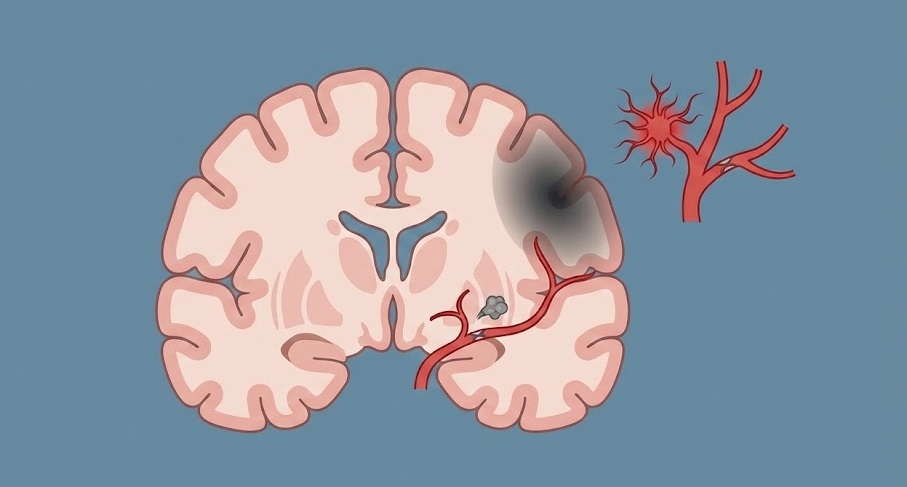
A brain stroke happens when blood flow to part of the brain stops, starving brain cells of oxygen and nutrients, leading to rapid cell death. There are two main types: ischemic strokes (about 87% of cases), caused by blocked arteries from clots; and hemorrhagic strokes, from burst blood vessels causing bleeding. Transient ischemic attacks (TIAs), or mini-strokes, are brief blockages that warn of bigger risks if ignored.
Imagine your brain as an engine needing constant fuel—cut the supply, and it stalls fast. In India, strokes hit hard due to rising lifestyles, affecting young adults, women, and the elderly uniquely.
Key Causes and Risk Factors
High blood pressure tops the list, damaging arteries over time and sparking clots or ruptures. Diabetes, heart disease like atrial fibrillation, smoking, obesity, and high cholesterol follow closely, all thickening blood or weakening vessels. Other triggers include aneurysms, head trauma, or overuse of blood thinners.
In India, challenges amplify risks: poor hypertension control, smoking rates, and delayed care in rural areas. Women face extra threats from pregnancy or hormones, while youth strokes link to stress and pollution. Cutting these risks slashes your odds dramatically.
Spotting Symptoms: Act with BE FAST
Time is brain—symptoms demand instant 911 calls. Use BE FAST: Balance loss, Eyesight trouble, Face drooping, Arm weakness, Speech difficulty, Time to call help. Sudden numbness on one side, confusion, severe headache, or dizziness signal trouble.
Picture a loved one’s smile sagging—don’t wait. Early spotting cuts brain damage; delays doom recovery. Share this mnemonic today; it could be your hero moment.
Diagnosis and Immediate Treatment
Doctors confirm strokes via CT/MRI scans, spotting clots or bleeds. For ischemic strokes, clot-busters like tPA work within 4.5 hours, or thrombectomy pulls clots up to 24 hours. Hemorrhagic cases need blood pressure meds, seizure control, or surgery like coiling/clipping aneurysms.
Aspirin or blood thinners prevent repeats post-emergency. Speed matters: treatments shine earliest, saving function. India’s stats show 10% full recovery, but 40% need lifelong aid —act fast!
Recovery and Rehabilitation Roadmap
Post-stroke, rehab rebuilds skills: physical therapy for movement, speech therapy for talk, occupational for daily tasks. It starts in hospital, extends home with tech aids or support groups. Full recovery hits 10%; 25% manage minor issues.
Read more: Neuro Physician and Neurologist in Boduppal | Why does Knee Replacement Surgery Fails
Patience fuels progress—many walk again, regain speech through grit. Nutrition, exercise, and mental health care boost outcomes. Track milestones; celebrate small wins to stay motivated.
Prevention: Your Power Moves
Slash risks 80% with lifestyle shifts: control BP via diet/salt cuts, exercise 150 minutes weekly, quit smoking, manage diabetes/weight. Heart-healthy foods like fruits, veggies, whole grains fend off clots; limit alcohol.
Regular check-ups catch silent killers early. In Hyderabad or beyond, community walks or apps track vitals. For expert stroke care in Hyderabad area, visit KK Swara Healthcare, Neurology Hospital in Boduppal offering advanced diagnostics, rapid treatments, and personalized rehab to help you recover stronger and prevent future risks.
Brain stroke disrupts blood flow, causing cell death via ischemic clots or hemorrhagic bleeds. Spot BE FAST symptoms for urgent care; treatments like tPA/thrombectomy save lives if prompt. Manage BP, diabetes, smoking for prevention. Rehab restores function; 10% fully recover. Act fast—every second counts in India’s stroke crisis.
Book your appointment online
Our simple to use, online appointment process makes it easy for you to book for any one of our services and doctors.