Do you often find yourself sneezing uncontrollably during certain seasons, or perhaps you experience bouts of coughing and wheezing after mild exercise? These could be more than just fleeting annoyances; they might be telltale signs …
February 7, 2026
Know the Symptoms Of Allergy And Asthma – A Comprehensive Guide to Identifying the Signs

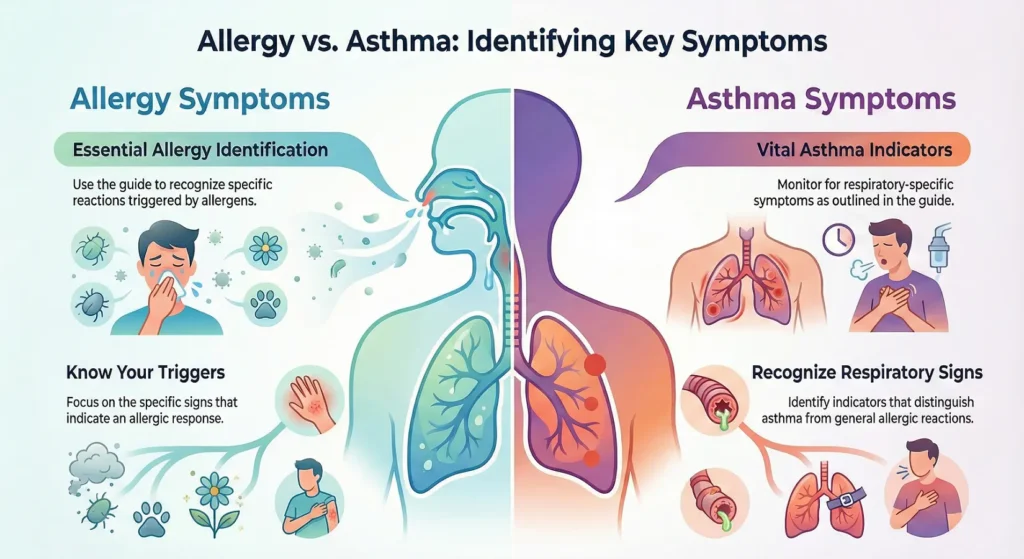
Do you often find yourself sneezing uncontrollably during certain seasons, or perhaps you experience bouts of coughing and wheezing after mild exercise? These could be more than just fleeting annoyances; they might be telltale signs of allergies or asthma. Allergies and asthma are among the most common chronic conditions globally, affecting millions of people of all ages. While they are distinct medical issues, they are often closely linked, sharing a common origin in the body’s immune system. An allergy is an overreaction by your immune system to a usually harmless substance, while asthma is a chronic condition that affects the airways in your lungs, causing them to become inflamed and narrow. Recognizing the specific symptoms of each is the crucial first step toward effective management and a better quality of life. This blog will delve into the varied symptoms of allergies and asthma, helping you understand what your body might be telling you.
Understanding Allergy Symptoms
An allergic reaction occurs when your immune system mistakes a normally harmless substance—known as an allergen—for a dangerous invader. The immune system then produces antibodies that release chemicals like histamine, which cause allergy symptoms. These symptoms can manifest in various parts of the body, depending on the type of allergen and how you were exposed to it.
Respiratory Allergies (Allergic Rhinitis or Hay Fever)
This is one of the most common forms of allergy, often triggered by pollen, dust mites, mold spores, or pet dander. The primary symptoms center around the nose and eyes.
Sneezing: Often in rapid, uncontrollable bouts.
Runny or Stuffy Nose: Producing clear, thin mucus or causing significant congestion.
Itchy Eyes, Nose, or Throat: An intense, persistent itchiness is a hallmark sign.
Watery, Red, or Swollen Eyes: This condition, known as allergic conjunctivitis, often accompanies nasal symptoms.
Postnasal Drip: Mucus dripping down the back of your throat, which can cause a cough or sore throat.
Skin Allergies
Allergens coming into contact with your skin or ingested allergens can cause skin reactions.
Eczema (Atopic Dermatitis): Characterized by dry, red, itchy patches of skin, often inside the elbows, behind the knees, and on the face.
Hives (Urticaria): Raised, red, itchy welts that can appear suddenly on the surface of the skin.
Contact Dermatitis: A red, itchy rash caused by direct contact with a substance like poison ivy, certain metals, or chemicals in cosmetic products.
Food Allergies
Reactions to specific foods can range from mild to severe and typically occur within minutes to a couple of hours after eating.
Tingling or Itching in the Mouth: Often the first sign.
Swelling: Of the lips, tongue, face, or throat.
Digestive Issues: Including nausea, vomiting, cramping, and diarrhea.
Hives or Eczema.
Anaphylaxis: A severe, potentially life-threatening systemic reaction that causes difficulty breathing, a sharp drop in blood pressure, dizziness, and loss of consciousness. This requires immediate emergency medical attention.
Insect Sting Allergies
While most people experience some pain and redness, those with an allergy can have a more serious reaction.
Significant Swelling: Extending beyond the sting site.
Hives and Itching: All over the body.
Coughing, Chest Tightness, Wheezing, or Shortness of Breath.
Anaphylaxis.
Understanding Asthma Symptoms
Asthma is a chronic respiratory condition where the airways usually swell and narrow in response to certain triggers, leading to difficulty in breathing. It is often characterized by recurring periods of symptoms, which can vary greatly in frequency and severity from person to person.
The four primary symptoms of asthma are:
1. Wheezing: This is a high-pitched whistling or squeaky sound that occurs when you breathe out. It’s caused by air being forced through narrowed passageways. While it’s one of the most recognizable signs, not everyone with asthma wheezes.
2. Coughing: An asthma-related cough is often dry and persistent. It tends to be worse at night or early in the morning, which can significantly disrupt sleep. It can also be triggered by exercise or exposure to cold air and allergens.
3. Shortness of Breath: This is a feeling of not being able to get enough air into your lungs. You might feel winded even during light activity or while resting.
4. Chest Tightness or Pain: Many people describe this as feeling like a tight band is placed around their chest or like something heavy is sitting on it. It can be a very uncomfortable and alarming sensation.
It’s important to note that symptoms are not constant. They can flare up during an “asthma attack” or “exacerbation” and then subside. Triggers for these attacks can include allergens (the same ones that cause allergic rhinitis), respiratory infections like a cold or the flu, physical activity (exercise-induced bronchoconstriction), cold air, smoke, and even strong emotions or stress.
The Allergy-Asthma Connection
There is a very strong link between allergies and asthma. In fact, the majority of people with asthma also have environmental allergies. This is often referred to as “allergic asthma.” In these individuals, the same substances that trigger hay fever symptoms—pollen, dust mites, pet dander—can also trigger an asthma attack. When you inhale these allergens, your immune system’s reaction can cause the airways in your lungs to become inflamed and swollen, leading to asthma symptoms.
When to See a Doctor
You should consult a healthcare professional if you experience persistent symptoms of allergies or asthma that interfere with your daily activities, sleep, or performance at work or school. If over-the-counter allergy medications are not providing sufficient relief, it’s time to see a doctor for a more targeted treatment plan.
Seek immediate emergency medical care if you experience signs of a severe allergic reaction (anaphylaxis) such as difficulty breathing, swelling of the throat, or dizziness. Similarly, seek emergency care for a severe asthma attack, which may be characterized by severe shortness of breath, symptoms not improving with a quick-relief inhaler, or difficulty speaking in full sentences.
Watch Now:
KK Swara Best Super Specialty Hospital in Boduppal | IPill is not a Regular Solution
Summary
Allergies and asthma are common, often interconnected conditions that can significantly impact a person’s life. Allergies are an immune system overreaction to harmless substances, manifesting in various ways, including sneezing, itchy eyes, skin rashes, and digestive issues. Asthma is a chronic lung condition causing airway inflammation and narrowing, leading to symptoms like wheezing, coughing, shortness of breath, and chest tightness. Many people suffer from allergic asthma, where allergens trigger respiratory symptoms. Recognizing the specific symptoms of both conditions is essential for early diagnosis. If you suspect you have allergies or asthma, consulting KK Swara Healthcare, super specialty hospital in Boduppal a healthcare provider is the most important step toward developing an effective management plan and breathing easier.
Book your appointment online
Our simple to use, online appointment process makes it easy for you to book for any one of our services and doctors.