
In today's fast-paced world, childhood obesity has become a pressing concern. According to the World Health Organization, over 390 million children and adolescents worldwide are overweight or obese, a number that's climbed steadily due to …
February 12, 2026
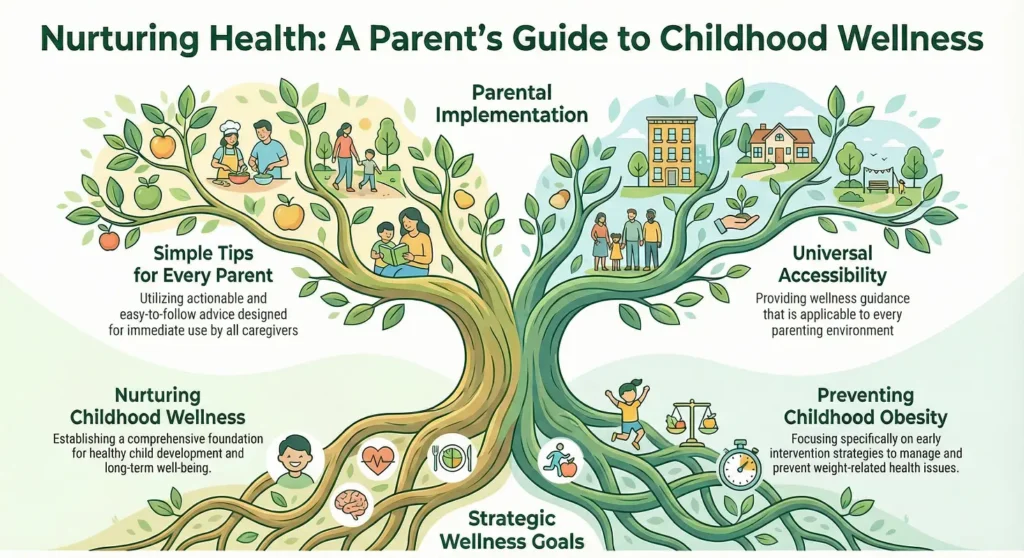
Preventing Childhood Obesity: Simple Tips for Every Parent

In today’s fast-paced world, childhood obesity has become a pressing concern. According to the World Health Organization, over 390 million children and adolescents worldwide are overweight or obese, a number that’s climbed steadily due to sedentary lifestyles, processed foods, and screen time. In India alone, studies from the Indian Council of Medical Research show that 15-20% of urban children aged 5-19 are overweight, putting them at risk for diabetes, heart disease, and low self-esteem later in life. But here’s the good news: as a parent, you hold the power to steer your child’s health in a positive direction. This blog breaks down simple, actionable tips to prevent childhood obesity—no fancy diets or gym memberships required. By focusing on habits formed at home, you can help your kids grow strong, happy, and healthy.
Preventing childhood obesity boils down to three pillars: balanced nutrition, daily movement, and healthy routines. Start with family meals featuring whole foods like fruits, veggies, and home-cooked dishes; limit sugary drinks and snacks. Encourage at least 60 minutes of playtime daily through games, walks, or sports. Prioritize sleep (10-12 hours for younger kids), reduce screen time to under 2 hours, and model these behaviors yourself. Track progress with fun family goals, consult doctors for personalized advice, and celebrate small wins. These steps foster lifelong wellness without overwhelming your routine.
Understanding Basics of Childhood Obesity
Childhood obesity occurs when a child consumes more calories than they burn, often from high-calorie, low-nutrient foods combined with inactivity. Genetics play a role, but environment is key—think school snacks, TV marathons, and convenience foods. The goal isn’t weight loss but prevention through sustainable habits. Early intervention matters: kids who maintain a healthy weight are 80% less likely to struggle with obesity as adults, per CDC data.
Lead by example. Children mimic parents, so if you’re snacking on chips while scrolling your phone, they’ll do the same. Swap judgment for teamwork—frame it as “family adventures in healthy living” to keep it positive.
Nutrition Tips That Stick
Food is fuel, and teaching kids to love real food sets them up for success.
Make veggies and fruits the stars. Aim for half the plate to be colorful produce at every meal. Sneak spinach into smoothies or cut apples into fun shapes. In India, leverage local gems like guavas, papayas, and seasonal sabzis—they’re cheap, nutritious, and kid-approved.
Ditch sugary drinks. Soda, packaged juices, and even seemingly healthy tetra packs add empty calories. Switch to water, nimbu pani (with minimal sugar), or infused water with cucumber and mint. One study in Pediatrics found kids who skip sugary drinks cut obesity risk by 25%.
Portion smart, not small. Use smaller plates to naturally control servings. Serve family-style but guide seconds toward proteins like dal, eggs, or grilled chicken/fish, and whole grains like brown rice or millets over white rice.
Snack healthy. Replace biscuits and namkeen with yogurt with fruits, roasted chana, or carrot sticks with hummus. Involve kids in prep—they’re more likely to eat what they make.
Batch-cook on weekends: think veggie-loaded parathas or overnight oats. This curbs reliance on processed foods, which often hide trans fats and excess sugar.
Get Moving: Fun Over Force
Kids aren’t wired for treadmills—they thrive on play. The American Academy of Pediatrics recommends 60 minutes of moderate activity daily.
Build active routines. Walk to school, cycle to the park, or dance to Bollywood beats post-dinner. In Hyderabad, a 30-minute family brisk walk beats Netflix every time.
Play games together. Tag, hopscotch, or cricket in the courtyard burns energy joyfully.
Limit screens. Cap recreational screen time at 1-2 hours. Use it as a reward after play—tech timers help enforce this without nagging.
Turn chores into challenges: “Race to fold laundry” or “Jump while sweeping.” Aim for variety to keep it exciting—swim in summer, yoga mats for flexibility.
Sleep, Screens, and Stress
Obesity isn’t just about food and exercise; hidden factors matter.
Prioritize sleep. Kids aged 6-13 need 9-11 hours; toddlers, 11-14. Tired kids crave junk and move less. Create a wind-down ritual: no screens 1 hour before bed, dim lights, and stories.
Manage stress. Emotional eating spikes with anxiety. Teach coping via deep breaths, drawing, or talking. Family game nights build bonds and reduce comfort-eating.
Hydrate first. Thirst masquerades as hunger. Keep a fun water bottle handy and lead by sipping yours.
Family Involvement and Tracking Progress
This is a team effort. Eat together without distractions—dinner tables foster mindful eating. Involve kids in grocery shopping: let them pick a new veggie weekly.
Set goals like “three park days a week” and track with a sticker chart. Praise effort (“You kicked that ball so far!”), not appearance. If concerns persist, see a pediatrician for BMI checks or nutritionist input—early screening catches issues.
For Indian families, adapt culturally: festive sweets in moderation, active Diwali dances, or mango season as “fruit feast time” instead of excess lassi.
Read more: Pediatricians in Boduppal | Best Super Specialty Hospital in Boduppal
Real-Life Example
Take Priya, a working mom from Hyderabad. Her 8-year-old son was gaining weight from after-school chips and video games. She started “power hour” daily play (badminton in the colony ground), swapped colas for buttermilk, and prepped bhel puri with extra sprouts for snacks. In six months, he lost 4 kg healthily, slept better, and begged for more park time. Small shifts, big wins.
Conclusion
Preventing childhood obesity empowers your kids with tools for a vibrant life. Start small—one veggie swap, one walk today—and build from there. You’re not just shaping bodies; you’re nurturing confident, resilient humans. Consistency trumps perfection.
Book your appointment online
Our simple to use, online appointment process makes it easy for you to book for any one of our services and doctors.