Climate change is often discussed in terms of melting glaciers, rising sea levels, and extreme weather events. While these environmental impacts are widely recognized, the hidden effects on human health are equally alarming—but far less …
March 7, 2026
8 Hidden Ways Climate Change Is Harming Human Health

Climate change is often discussed in terms of melting glaciers, rising sea levels, and extreme weather events. While these environmental impacts are widely recognized, the hidden effects on human health are equally alarming—but far less talked about. Climate change doesn’t only threaten ecosystems; it quietly affects our bodies, mental health, and the spread of diseases.
In this blog, we explore eight hidden ways climate change is harming human health and why addressing this crisis is essential for the future of global public health.
1. Increased Spread of Infectious Diseases
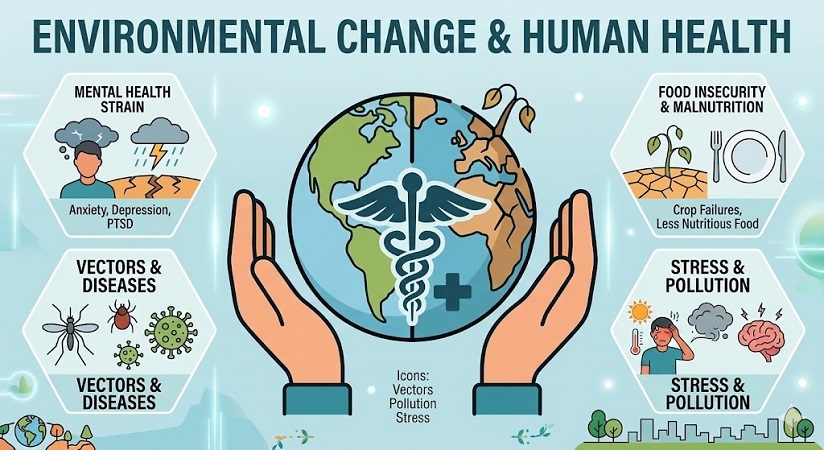
Rising temperatures and changing rainfall patterns are expanding the habitats of disease-carrying insects like mosquitoes and ticks. As warmer climates spread into new regions, diseases such as malaria, dengue fever, and Lyme disease are appearing in places where they were once rare.
Warmer weather also accelerates the life cycles of pathogens and vectors, increasing the likelihood of outbreaks. This means communities that were previously safe may now face new health threats.
2. Poorer Air Quality
Climate change worsens air pollution in several ways. Higher temperatures contribute to the formation of ground-level ozone, a harmful pollutant that irritates the lungs and aggravates respiratory diseases such as asthma and bronchitis.
Wildfires, which are becoming more frequent and severe due to hotter and drier conditions, release massive amounts of smoke and toxic particles into the air. These pollutants can travel hundreds of miles, affecting people far beyond the fire zones.
Long-term exposure to polluted air increases the risk of heart disease, lung disease, and premature death.
3. Heat-Related Illnesses
Extreme heat is one of the most direct health impacts of climate change. Heat waves are becoming longer, stronger, and more frequent across the globe.
Prolonged exposure to high temperatures can cause dehydration, heat exhaustion, and heatstroke. Vulnerable populations such as the elderly, children, outdoor workers, and people with chronic illnesses are especially at risk.
Heat stress also places strain on the cardiovascular system, increasing hospitalizations and mortality during extreme temperature events.
4. Food and Nutritional Deficiencies
Climate change is disrupting global food systems. Droughts, floods, and unpredictable weather patterns damage crops and reduce agricultural productivity.
Even when crops survive, rising carbon dioxide levels can reduce the nutritional value of staple foods like rice, wheat, and barley by lowering protein and mineral concentrations.
These changes could worsen malnutrition worldwide, particularly in developing countries where communities rely heavily on a small number of staple crops.
5. Mental Health Challenges
The psychological impacts of climate change are often overlooked but increasingly significant. Natural disasters such as floods, hurricanes, and wildfires can cause trauma, anxiety, depression, and post-traumatic stress disorder (PTSD).
People who lose homes, livelihoods, or loved ones during climate disasters often experience long-term emotional distress. Additionally, a growing number of individuals—especially young people—report experiencing “eco-anxiety,” a chronic fear of environmental catastrophe.
Mental health professionals are now recognizing climate change as a major emerging mental health challenge.
6. Water Contamination and Waterborne Diseases
Rising temperatures and extreme rainfall events can contaminate drinking water supplies. Flooding often carries sewage, chemicals, and pathogens into rivers and groundwater.
As a result, diseases such as cholera, diarrhea, and other gastrointestinal infections become more common after extreme weather events.
In coastal areas, sea level rise can also cause saltwater intrusion into freshwater sources, making clean drinking water more difficult to access.
7. Allergies Are Getting Worse
Climate change is extending pollen seasons and increasing pollen production from plants. Warmer temperatures allow plants to bloom earlier and continue producing pollen for longer periods.
Higher levels of carbon dioxide in the atmosphere can also stimulate plants to produce more pollen than usual.
For people who suffer from seasonal allergies, this means longer and more intense allergy seasons, leading to increased cases of allergic rhinitis, asthma attacks, and respiratory discomfort.
8. Increased Risk of Chronic Diseases
Climate change indirectly contributes to the rise of chronic diseases. Air pollution linked to fossil fuel combustion is associated with cardiovascular disease, stroke, and lung cancer.
Additionally, extreme heat can limit outdoor physical activity, especially in urban areas where temperatures are significantly higher due to the urban heat island effect.
Reduced activity levels combined with environmental stressors can increase the risk of obesity, diabetes, and heart disease over time.
Why This Matters for the Future
Climate change is not just an environmental issue—it is a major public health crisis. The health impacts affect people in every country, but vulnerable communities often face the greatest risks.
Children, older adults, low-income populations, and people living in climate-sensitive regions are particularly susceptible to these hidden health threats.
Addressing climate change requires coordinated global action. Reducing greenhouse gas emissions, investing in sustainable energy, strengthening public health systems, and improving climate resilience are critical steps toward protecting human health.
Read more: Primary Care Hospital in Boduppal | What Causes Heart Attack in Young Age
Final Thoughts
The effects of climate change reach far beyond rising temperatures and environmental damage. From infectious diseases and air pollution to mental health challenges and food insecurity, the hidden health impacts are already affecting millions of people worldwide.
Understanding these connections is the first step toward meaningful change. By recognizing climate change as a public health emergency, governments, organizations, and individuals can take action to protect both the planet and human well-being.
The health of our environment and the health of our bodies are deeply interconnected—and protecting one ultimately means protecting the other.
Book your appointment online
Our simple to use, online appointment process makes it easy for you to book for any one of our services and doctors.