For many years, kidney disease was considered a health problem mainly affecting older adults. However, a worrying trend has emerged over the past decade more young adults in their 20s and 30s are being diagnosed …
March 14, 2026
Rising Kidney Disease in Young Adults Early Warning Signs You Shouldn’t Ignore

For many years, kidney disease was considered a health problem mainly affecting older adults. However, a worrying trend has emerged over the past decade more young adults in their 20s and 30s are being diagnosed with kidney-related problems. Busy lifestyles, poor dietary habits, stress, and untreated health conditions are contributing to this rise.
Kidneys play a crucial role in maintaining overall health. They filter waste and excess fluids from the blood, regulate blood pressure, balance electrolytes, and support red blood cell production. When kidneys begin to lose their function, the body may not show obvious symptoms at first, making early detection extremely important.
Understanding the early warning signs and risk factors can help young adults take timely action and prevent serious complications.
Why Kidney Disease Is Increasing in Young Adults
Several lifestyle and health factors are responsible for the increasing number of kidney disease cases among younger people.
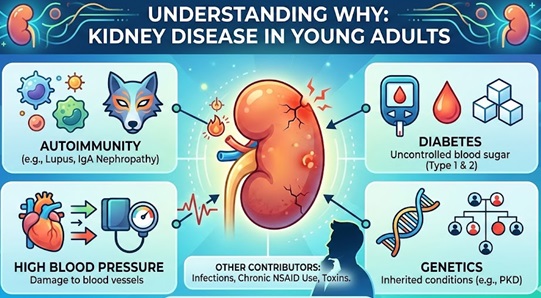
1. Unhealthy Diet: Modern diets are often high in processed foods, salt, sugar, and unhealthy fats. Frequent consumption of fast food, packaged snacks, sugary drinks, and high-sodium meals can strain the kidneys over time. Excess salt increases blood pressure, which directly damages kidney function.
2. Rising Cases of Diabetes and High Blood Pressure: Conditions like Type 2 diabetes and hypertension, once associated with older adults, are now being diagnosed in younger individuals. Both are leading causes of kidney damage. When blood sugar or blood pressure remains uncontrolled, it gradually damages the tiny filtering units inside the kidneys.
3. Excessive Use of Painkillers: Many young adults regularly use over-the-counter pain medications for headaches, muscle pain, or menstrual cramps. Frequent use of certain painkillers, especially non-steroidal anti-inflammatory drugs (NSAIDs), can harm kidney tissues if taken excessively without medical guidance.
4. Lack of Hydration: A busy schedule often leads people to ignore basic habits like drinking enough water. Chronic dehydration forces the kidneys to work harder, increasing the risk of kidney stones and long-term kidney damage.
5. Sedentary Lifestyle and Obesity: Physical inactivity and weight gain are strongly linked with diabetes, high blood pressure, and metabolic disorders—all of which increase the risk of kidney disease.
6. High Protein and Supplement Intake: Many young adults following gym or fitness routines consume high-protein diets or supplements without proper medical advice. Excessive protein intake may increase kidney workload, especially for individuals with undiagnosed kidney problems.
Early Warning Signs of Kidney Problems
Kidney disease often develops slowly, and symptoms may not appear until significant damage has occurred. However, the body may give subtle warning signals.
1. Persistent Fatigue: Kidneys help produce a hormone that supports red blood cell production. When kidney function declines, anemia may develop, causing tiredness, weakness, and difficulty concentrating.
2. Changes in Urination: Any unusual changes in urination patterns may signal kidney issues. These include:
Frequent urination, especially at night
- Foamy or bubbly urine
- Dark or bloody urine
- Reduced urine output
These symptoms may indicate problems with the kidney’s filtering system.
3. Swelling in the Body: When kidneys fail to remove excess fluid effectively, swelling can occur in the feet, ankles, legs, hands, or face. This condition is known as edema and is a common sign of kidney dysfunction.
4. Puffiness Around the Eyes: Protein leakage in urine due to kidney damage can cause noticeable puffiness around the eyes, especially in the morning.
5. Muscle Cramps: Imbalanced electrolytes, particularly low calcium levels or high phosphorus levels, may lead to muscle cramps and discomfort.
6. Dry and Itchy Skin: Healthy kidneys maintain the proper balance of minerals and nutrients in the blood. When kidney function declines, toxin buildup can cause persistent dryness and itching of the skin.
7. Loss of Appetite and Nausea: Waste accumulation in the bloodstream may lead to nausea, vomiting, or reduced appetite. Some individuals may also experience a metallic taste in the mouth.
When Should You See a doctor?
Young adults often ignore symptoms, assuming they are temporary or related to stress or fatigue. However, medical attention should be sought if symptoms persist for more than a few days or worsen over time.
Doctors typically diagnose kidney problems through simple tests such as:
- Blood tests to measure kidney function
- Urine tests to detect protein or blood
- Blood pressure monitoring
- Imaging tests if needed
Early diagnosis can significantly slow the progression of kidney disease.
How Young Adults Can Protect Their Kidney Health
The good news is that many kidney diseases are preventable with simple lifestyle changes.
Stay Hydrated: Drink enough water throughout the day to support healthy kidney filtration and prevent kidney stones.
Eat a Balanced Diet: Reduce salt, processed foods, and sugary beverages. Focus on fruits, vegetables, whole grains, and healthy proteins.
Exercise Regularly: Regular physical activity helps maintain healthy weight, improves blood circulation, and reduces the risk of diabetes and hypertension.
Monitor Blood Pressure and Blood Sugar
Regular health check-ups are essential, especially if there is a family history of diabetes or kidney disease.
Use Medications Carefully: Avoid excessive use of painkillers and supplements without medical advice.
Limit Alcohol and Avoid Smoking: Both alcohol and tobacco can worsen kidney health and increase blood pressure.
Read more: What Causes Heart Attack in Young Age |Gastroenterologists in Boduppal
Final Thoughts
The rise of kidney disease among young adults is a growing public health concern. While the condition often develops silently, the body usually provides early warning signs that should not be ignored. Paying attention to symptoms, maintaining a healthy lifestyle, and undergoing regular health check-ups can significantly reduce the risk of long-term kidney damage.
Your kidneys work around the clock to keep your body functioning properly. Taking small but consistent steps toward healthier habits today can help ensure they continue to do their job for years to come.
Book your appointment online
Our simple to use, online appointment process makes it easy for you to book for any one of our services and doctors.