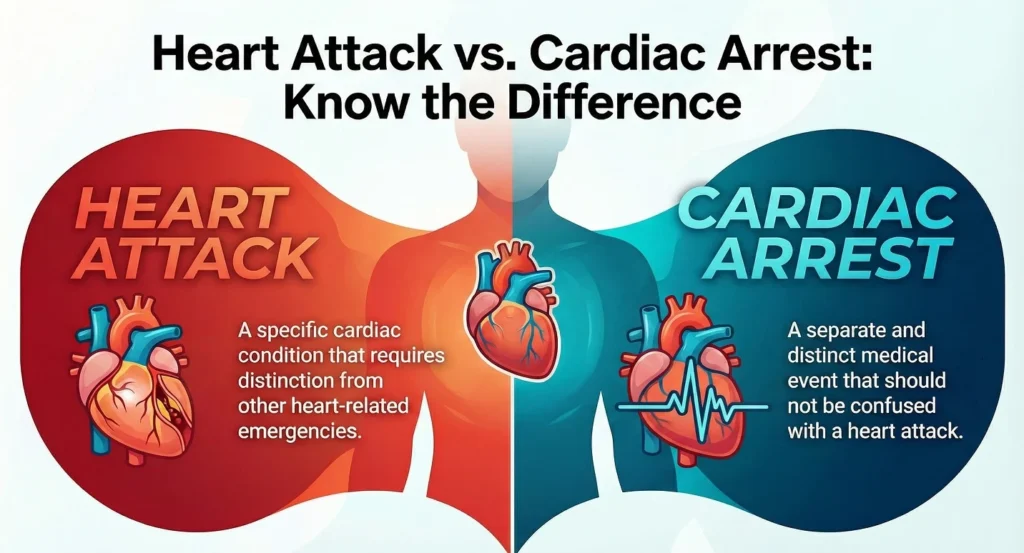
Smoking and alcohol are two of the most common habits that significantly harm heart health by damaging blood vessels, raising blood pressure, and increasing risks of heart attacks and strokes. Your heart works tirelessly to …
February 6, 2026
How Smoking and Alcohol Affect Your Heart Health

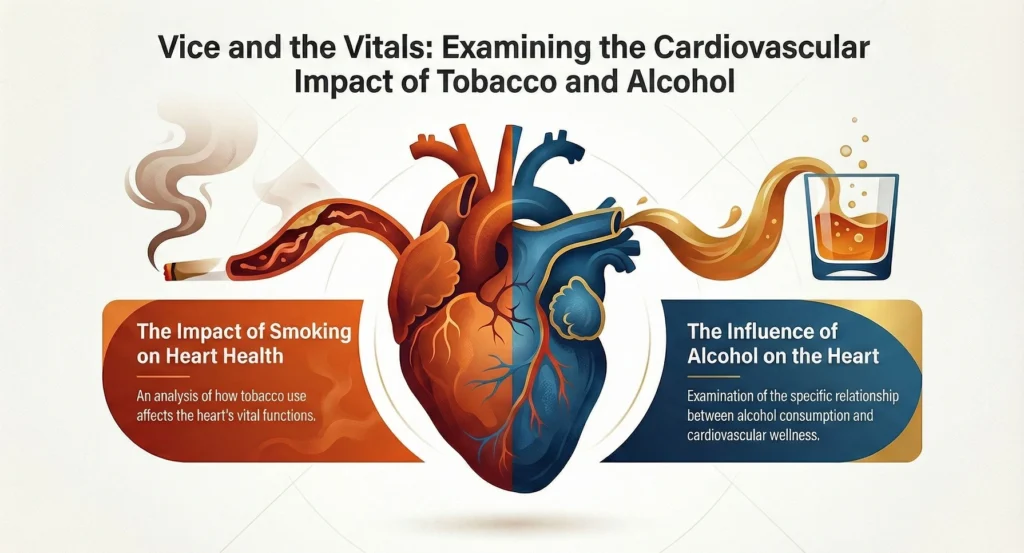
Smoking and alcohol are two of the most common habits that significantly harm heart health by damaging blood vessels, raising blood pressure, and increasing risks of heart attacks and strokes.
Your heart works tirelessly to keep you alive, pumping blood through thousands of miles of vessels every day. But habits like smoking and excessive alcohol use can turn this vital organ into a ticking time bomb. Smoking introduces thousands of toxic chemicals that inflame arteries and promote clots, while alcohol, especially in heavy amounts, weakens heart muscle and disrupts rhythms. These substances don’t just affect occasional users—even light exposure raises cardiovascular disease (CVD) risks dramatically. In this blog, we’ll explore the science behind their damage, backed by health authorities like the CDC, and why quitting can reverse much of the harm.
Smoking’s Direct Assault on the Heart
Cigarette smoke contains over 7,000 chemicals, including nicotine and carbon monoxide, which immediately stress the cardiovascular system. Nicotine speeds up heart rate and tightens blood vessels, forcing the heart to work harder and raising blood pressure. Carbon monoxide reduces blood’s oxygen-carrying capacity, starving the heart muscle and contributing to chest pain or angina.
Over time, smoking accelerates atherosclerosis—the buildup of fatty plaques in arteries. It damages the endothelium (inner lining of blood vessels), promotes inflammation, and oxidizes LDL cholesterol, making plaques more likely to rupture and form clots. This leads to coronary heart disease (CHD), where narrowed arteries starve the heart of oxygen, causing heart attacks or sudden cardiac death. Smokers face 2-4 times higher risk of CHD and stroke compared to non-smokers, even with fewer than five cigarettes daily.
Arrhythmias and Other Smoking Risks
Smoking disrupts electrical signals in the heart, triggering arrhythmias like atrial fibrillation, where the heart beats irregularly. It also raises triglycerides, lowers protective HDL cholesterol, and makes blood “sticky,” increasing clot formation that can block heart or brain vessels. Peripheral artery disease (PAD) and abdominal aortic aneurysms become more common as vessels throughout the body narrow.
Even secondhand smoke harms non-smokers, boosting heart disease risk by 25-30% through similar inflammatory pathways. The CDC notes smoking causes one in four CVD deaths, outpacing many other killers.
Alcohol’s Deceptive Impact
Unlike smoking’s universally negative effects, alcohol’s relationship with the heart is dose-dependent. Moderate intake (one drink daily for women, two for men) may slightly raise HDL cholesterol and dilate vessels temporarily, easing blood flow. However, exceeding this threshold unleashes serious damage.
Heavy drinking directly weakens heart muscle, leading to alcoholic cardiomyopathy, where the heart enlarges and pumps inefficiently, causing heart failure. It spikes blood pressure via dehydration and hormone changes, and irritates the heart, provoking atrial fibrillation or “holiday heart syndrome” after binges. Alcohol also promotes fatty liver buildup, indirectly straining the heart through metabolic chaos.
Studies show no protective effect from light drinking in older adults against heart failure, debunking old myths. Excessive use triples stroke risk and fuels hypertensive heart disease.
Combined Effects of Smoking and Alcohol
The duo is deadlier together. Alcohol enhances nicotine absorption, deepening addiction and amplifying vascular damage. Both thicken blood and promote clots, multiplying acute myocardial infarction odds. Combined, they fast-track atherosclerosis, irregular rhythms, and high blood pressure. One study links this pairing to premature coronary artery disease.
Long-Term Consequences
Chronic exposure leads to irreversible changes: scarred heart tissue, weakened pumps, and vessel stiffening. Heart attacks strike earlier in smokers and heavy drinkers, with recovery harder due to compounded damage. Strokes, PAD, and aneurysms follow as systemic inflammation spreads.
Paths to Recovery
Quitting brings rapid gains. A smoker’s heart attack risk halves within a year, nearing non-smoker levels after 15 years. Heart function rebounds as vessels heal and inflammation fades. For alcohol, cutting back restores rhythms and eases cardiomyopathy if caught early. Lifestyle tweaks amplify this: exercise, diet, and meds like statins speed repair.
Read more: General and Laparoscopic Surgery in Uppal | Why does Knee Replacement Surgery Fails
Summary
Smoking ravages arteries, clots blood, and stresses the heart, causing one in four CVD deaths, while heavy alcohol weakens muscle, spikes pressure, and invites failure—worse when combined. Prioritize quitting: benefits start immediately, slashing risks dramatically. Consult doctors for personalized plans, including nicotine aids or counseling. Protect your heart today—it’s worth every effort.
Tags: healthhealthcare
Book your appointment online
Our simple to use, online appointment process makes it easy for you to book for any one of our services and doctors.