Oxygen is the fuel that keeps our bodies running. Every breath we take delivers oxygen to our lungs, where it enters the bloodstream and travels to our vital organs. But what happens when that supply …
February 5, 2026
Understanding Hypoxia: Causes, Symptoms, and Life-Saving Treatments

Oxygen is the fuel that keeps our bodies running. Every breath we take delivers oxygen to our lungs, where it enters the bloodstream and travels to our vital organs. But what happens when that supply is cut off? This condition is known as hypoxia.
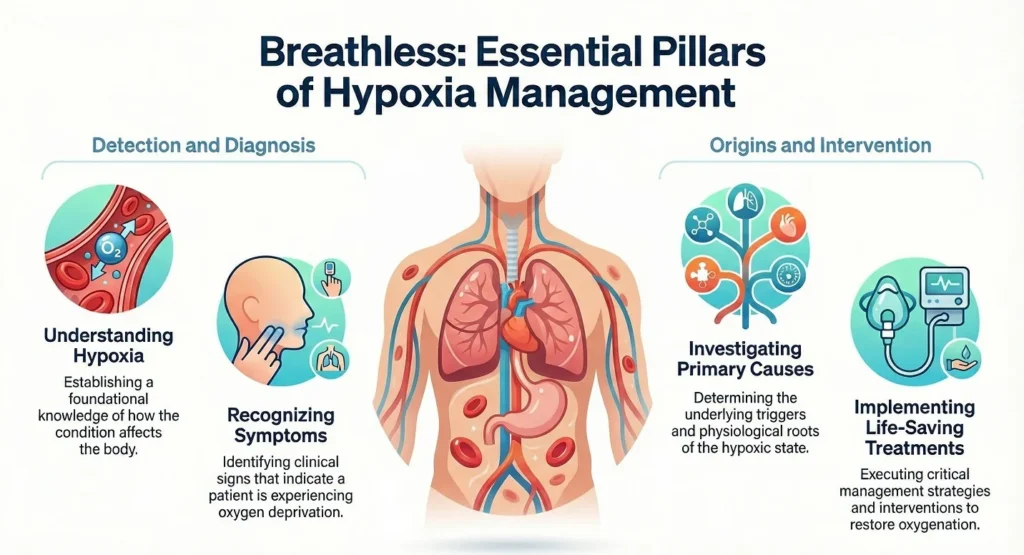
Hypoxia occurs when your body or a specific region of your body is deprived of adequate oxygen supply at the tissue level. It is a serious medical condition that requires immediate attention, as it can lead to organ failure or brain damage within minutes.
Types of Hypoxia
Not all hypoxia is the same. Medical professionals generally categorize it into four main types based on the underlying cause:
1. Hypoxemic Hypoxia: This occurs when there is low oxygen tension in the arterial blood. It is often caused by high altitudes (where oxygen is scarce) or lung diseases that prevent oxygen from entering the blood.
2. Anemic Hypoxia: In this case, the blood’s ability to carry oxygen is reduced. This happens if you have a low red blood cell count or if your hemoglobin (the protein that carries oxygen) isn’t functioning correctly.
3. Stagnant (Circulatory) Hypoxia: The oxygen levels in the blood may be normal, but the blood isn’t reaching the tissues. This is usually due to heart failure, shock, or a localized blockage in a blood vessel.
4. Histotoxic Hypoxia: Here, the blood delivers oxygen to the tissues, but the cells are unable to use it. This is typically caused by poisoning, such as cyanide or alcohol toxicity.
Common Causes of Hypoxia
Hypoxia can be triggered by environmental factors or underlying health issues:
Respiratory Conditions: Asthma, COPD, pneumonia, pulmonary edema, and sleep apnea.
Environmental Factors: High altitudes (climbing mountains) or inhaling smoke/carbon monoxide.
Heart Problems: Congestive heart failure or cardiac arrest.
Trauma: Severe injury to the chest or lungs.
Medications: Certain drugs that suppress breathing, such as opioids.
Symptoms to Watch for Hypoxia
The symptoms of hypoxia vary depending on the severity and how quickly it develops. Common signs include:
Shortness of breath (dyspnea)
Rapid heart rate (tachycardia)
Coughing or wheezing
Confusion, restlessness, or disorientation
Bluish tint to the skin, lips, or fingernails (cyanosis)
Headaches and fatigue
Treatment and Prevention of Hypoxia
The primary goal of treatment is to restore oxygen levels to the body as quickly as possible. This is usually achieved through:
Oxygen Therapy: Using a nasal cannula or a face mask to deliver extra oxygen.
Mechanical Ventilation: In severe cases, a machine helps the patient breathe.
Treating the Underlying Cause: This might include inhalers for asthma, antibiotics for pneumonia, or medications to strengthen heart function.
Prevention involves managing chronic conditions like asthma or COPD, avoiding smoking, and ensuring proper acclimatization when traveling to high altitudes.
K.K. Swara Healthcare: Your Partner in Respiratory Wellness
In the journey to manage and prevent respiratory issues like hypoxia, having the right medical equipment and support is crucial. KK Swara Healthcare is a dedicated provider of high-quality healthcare solutions, specializing in respiratory care. We offer a range of essential medical devices, including oxygen concentrators and respiratory aids, designed to help patients maintain healthy oxygen levels.
Read more: Best Neurologists near Me in Boduppal | Why does Knee Replacement Surgery Fails
Summary
Hypoxia is a critical condition where the body’s tissues do not receive enough oxygen. Whether caused by lung disease, high altitude, or circulatory issues, it requires prompt diagnosis and intervention. By recognizing the symptoms early – such as shortness of breath and confusion and utilizing advanced medical support from KK Swara Healthcare, patients can effectively manage their respiratory health and prevent long-term complications.
Book your appointment online
Our simple to use, online appointment process makes it easy for you to book for any one of our services and doctors.