Heart failure occurs when the heart cannot pump blood effectively to meet the body's needs, leading to a range of debilitating symptoms. This chronic condition affects millions worldwide and requires ongoing management. Common Symptoms of …
January 13, 2026
Understanding Heart Failure: Symptoms and Causes

Heart failure occurs when the heart cannot pump blood effectively to meet the body’s needs, leading to a range of debilitating symptoms. This chronic condition affects millions worldwide and requires ongoing management.
Common Symptoms of Heart Failure
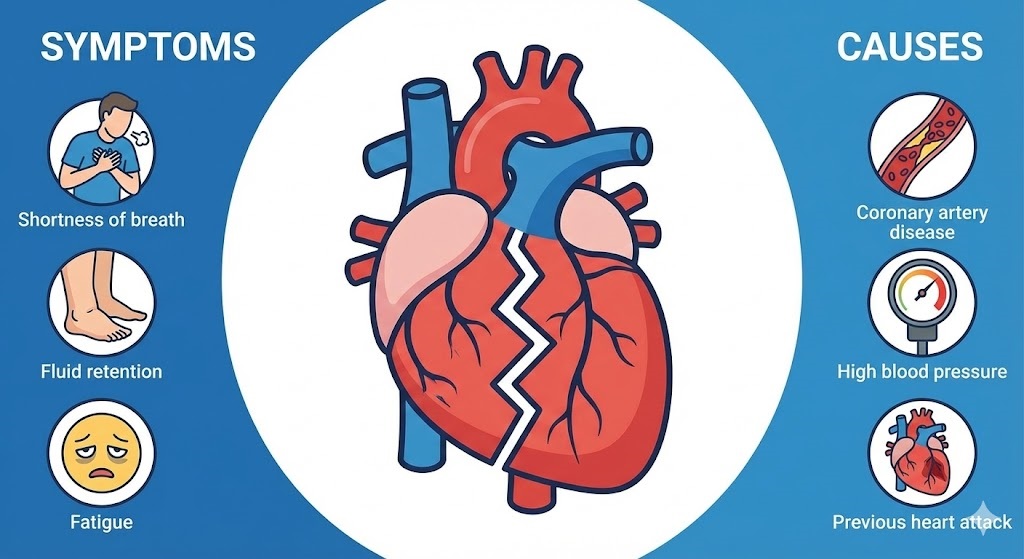
Shortness of breath during activity or when lying down stands out as a primary symptom, often worsening at night and prompting individuals to prop up with pillows. Fatigue and weakness persist even with minimal exertion, stemming from reduced blood flow to muscles and organs. Swelling, known as edema, commonly appears in the legs, ankles, feet, or abdomen due to fluid retention.
Rapid or irregular heartbeats, persistent cough with white or pink-tinged mucus, and reduced exercise tolerance further signal trouble. Additional signs include nausea, lack of appetite, sudden weight gain from fluid buildup, and difficulty concentrating. In severe cases, chest pain arises if linked to a heart attack, alongside wheezing or fainting.
Serious Warning Signs of Heart Failure
Sudden severe shortness of breath, coughing up foamy pink mucus, or fainting demands immediate medical attention. Worsening symptoms like increased swelling, chest pressure, or lightheadedness indicate progression and potential decompensation.
Primary Causes to Heart Failure
Coronary artery disease tops the list, where plaque buildup narrows arteries, reducing blood flow and potentially causing heart attacks that damage the muscle. High blood pressure forces the heart to work harder over time, thickening and weakening its walls.
Heart valve disease disrupts proper blood flow, making the heart strain excessively. Arrhythmias, or irregular rhythms, can beat too fast or slow, taxing the organ. Other contributors include prior heart attacks, diabetes damaging vessels, and conditions like thyroid disorders or congenital defects.
Risk Factors
Factors elevating risk encompass age over 65, obesity, smoking, excessive alcohol, and sedentary lifestyles. Chronic diseases such as diabetes, HIV, or anemia compound vulnerability by stressing the cardiovascular system.
Family history and sleep apnea also play roles, as does viral damage to heart tissue.
Types of Heart Failure
Heart failure divides into left-sided, affecting the lower left chamber and causing lung fluid buildup; right-sided, leading to body-wide swelling; and congestive, combining both with systemic congestion. Acute onset happens suddenly, often from heart attacks, while chronic develops gradually.
Systolic failure involves poor contraction, whereas diastolic impairs relaxation and filling.
Watch Now: Why does Knee Replacement Surgery Fails
Diagnosis Insights
Doctors use echocardiograms to assess pumping efficiency, blood tests for biomarkers like BNP, and chest X-rays for fluid or enlargement. Electrocardiograms detect rhythms, while stress tests evaluate function under load.
Management Overview
Lifestyle changes like low-sodium diets, exercise, and weight monitoring form the foundation. Medications including ACE inhibitors, beta-blockers, and diuretics ease workload and reduce fluid. Devices like pacemakers or surgery for valves/arteries offer advanced options, alongside transplants in end stages.
Early intervention improves outcomes, emphasizing regular check-ups for at-risk individuals.
KK Swara Healthcare – Super Specialty Hospital in Uppal
For expert care in managing heart failure, visit KK Swara Healthcare at www.kkswarahealthcare.com. Our specialized team provides personalized diagnostics, treatments, and support to help you regain control and live fuller lives—schedule a consultation today for compassionate, cutting-edge cardiology services in Uppal, Hyderabad India.
Book your appointment online
Our simple to use, online appointment process makes it easy for you to book for any one of our services and doctors.