Miscarriage is the spontaneous loss of a pregnancy before 20 weeks of gestation, affecting up to 20% of known pregnancies, with most occurring in the first trimester. Understanding its symptoms, causes, treatments, and prevention strategies …
January 17, 2026
Miscarriage: Symptoms, Causes, Treatments, and Prevention

Miscarriage is the spontaneous loss of a pregnancy before 20 weeks of gestation, affecting up to 20% of known pregnancies, with most occurring in the first trimester. Understanding its symptoms, causes, treatments, and prevention strategies empowers individuals to seek timely care and emotional support. This guide explores these aspects to provide clarity and hope for those navigating this challenging experience.
Miscarriage Symptoms
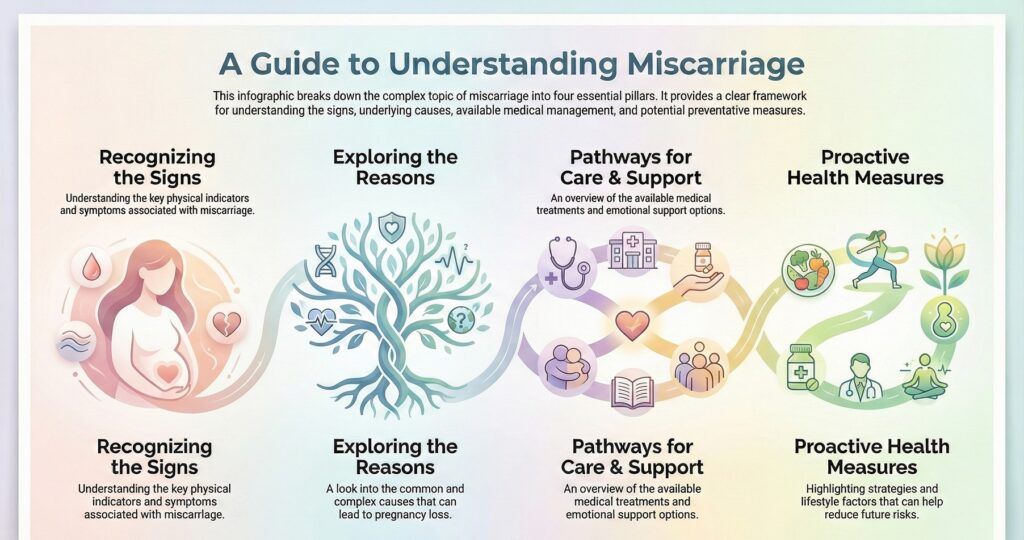
Recognizing miscarriage symptoms early allows for prompt medical attention, though some spotting can occur in healthy pregnancies. Common signs include vaginal bleeding or spotting, which may range from light to heavy with clots; cramping or abdominal pain similar to menstrual cramps; and back pain that feels severe or persistent. Other indicators are fluid or tissue discharge from the vagina, a sudden decrease in pregnancy symptoms like nausea, and passage of grayish tissue or sac. If these appear, contact a healthcare provider immediately, as not all bleeding signals miscarriage but evaluation via ultrasound or blood tests is essential.
Miscarriage Causes
Most miscarriages stem from factors beyond personal control, often chromosomal abnormalities in the embryo that prevent proper development, accounting for over 50% of first-trimester losses. Hormonal imbalances, such as low progesterone or thyroid issues, maternal health conditions like uncontrolled diabetes, lupus, or kidney disease, and uterine or cervical problems like fibroids or incompetent cervix also contribute. Infections (e.g., TORCH group), advanced maternal age (risk rises after 35), lifestyle factors including smoking, alcohol, drugs, or high caffeine, and certain medications or exposures like radiation play roles.
Miscarriage Treatments
Treatment depends on the miscarriage stage, type (e.g., threatened, incomplete, missed), and symptoms severity. Expectant management lets the body expel tissue naturally over 1-2 weeks, suitable for stable cases with monitoring via ultrasounds. Medical options involve medications like misoprostol to induce cramping and expulsion, often followed by follow-up to confirm completion. Surgical intervention, such as dilation and curettage (D&C), removes remaining tissue quickly, reducing infection risk, especially for heavy bleeding or infection signs. Post-treatment, emotional counseling and physical recovery checks are vital, with most people able to try conceiving again after 1-3 menstrual cycles.
Miscarriage Prevention
While not all miscarriages are preventable, proactive steps lower risks. Start prenatal care early for screening and management of conditions like diabetes or thyroid issues. Adopt a balanced diet rich in folic acid (400-800 mcg daily), avoid smoking, alcohol, recreational drugs, and limit caffeine to under 200 mg daily. Maintain a healthy weight, manage chronic illnesses, and get vaccinated against infections like rubella. For those with prior losses or risks like PCOS, consult specialists for progesterone support or cervical cerclage. Regular check-ups detect issues early, and genetic counseling helps high-risk couples.
Watch Now: Why does Knee Replacement Surgery Fails
Emotional Support
Miscarriage often brings grief, guilt, or anxiety, even if common. Acknowledge feelings without self-blame, as causes rarely relate to actions like lifting or travel. Support groups, therapy, or talking with loved ones aid healing; many find comfort in memorial rituals. Future pregnancies succeed for 85% after one loss, with risks only slightly elevated after multiples. Healthcare providers offer resources, emphasizing that healing takes time.
Facing concerns about miscarriage or pregnancy health? Visit KK Swara Healthcare, a leading Gynecology Hospital in Uppal at www.kkswarahealthcare.com for expert gynecology care, personalized prenatal support, and compassionate guidance tailored to your journey. Our team specializes in early detection, risk management, and emotional wellness to help you achieve a healthy pregnancy—schedule a consultation today for peace of mind.
Book your appointment online
Our simple to use, online appointment process makes it easy for you to book for any one of our services and doctors.