
When we think about spinal health, our minds usually go straight to ergonomic chairs, heavy lifting techniques, or that yoga class we keep promising to attend. While movement and posture are vital, we often overlook …
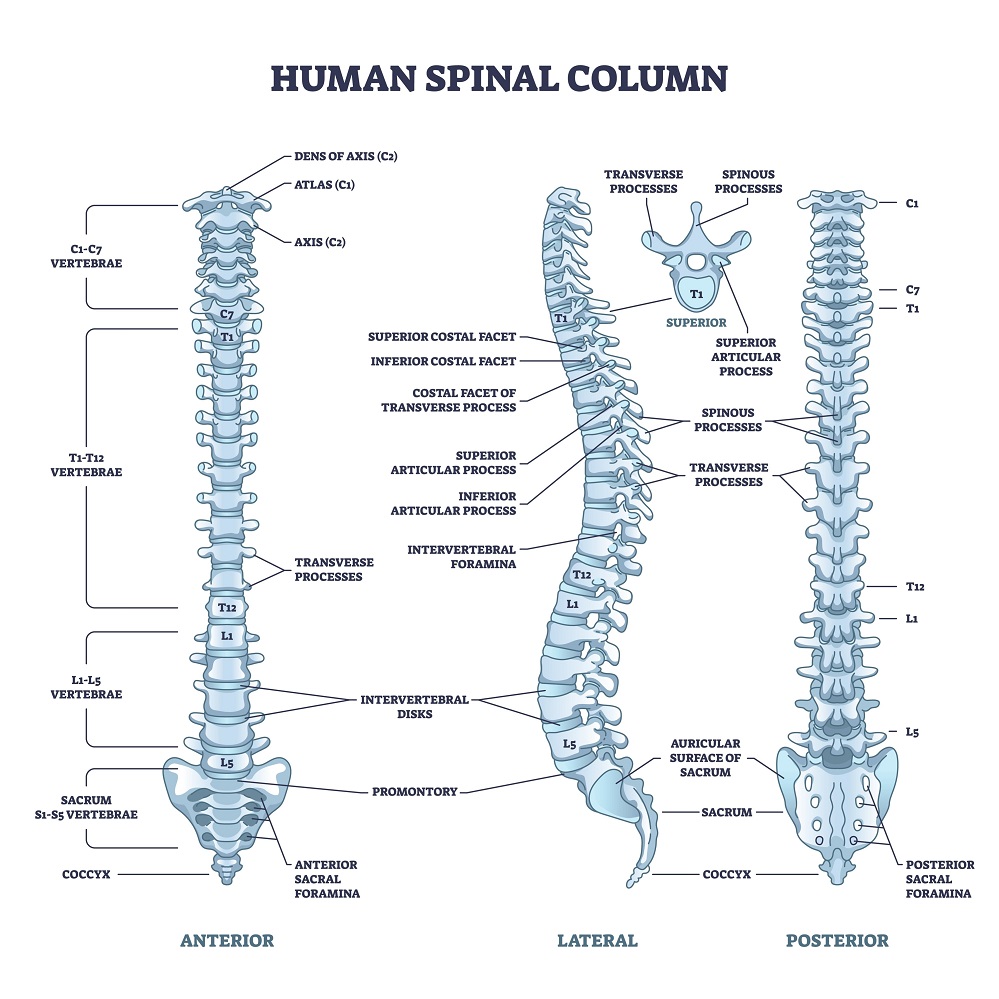

When we think about spinal health, our minds usually go straight to ergonomic chairs, heavy lifting techniques, or that yoga class we keep promising to attend. While movement and posture are vital, we often overlook the literal building blocks of our back: nutrition.
Your spine is an architectural marvel – a complex column of 33 vertebrae, intervertebral discs that act as shock absorbers, and a dense network of ligaments and muscles. Just like any high-performance machine. It requires specific fuel to maintain its structural integrity, repair daily wear and tear, and keep inflammation at bay. A poor diet doesn’t just affect your waistline; it can lead to brittle bones, “dried out” discs and chronic nerve pain.
In this guide, we’ll explore the top five food groups that act as a “biological toolkit” for a resilient spine, ensuring you stay upright, mobile, and pain-free for years to come.
1. The Dynamic Duo: Calcium and Vitamin D
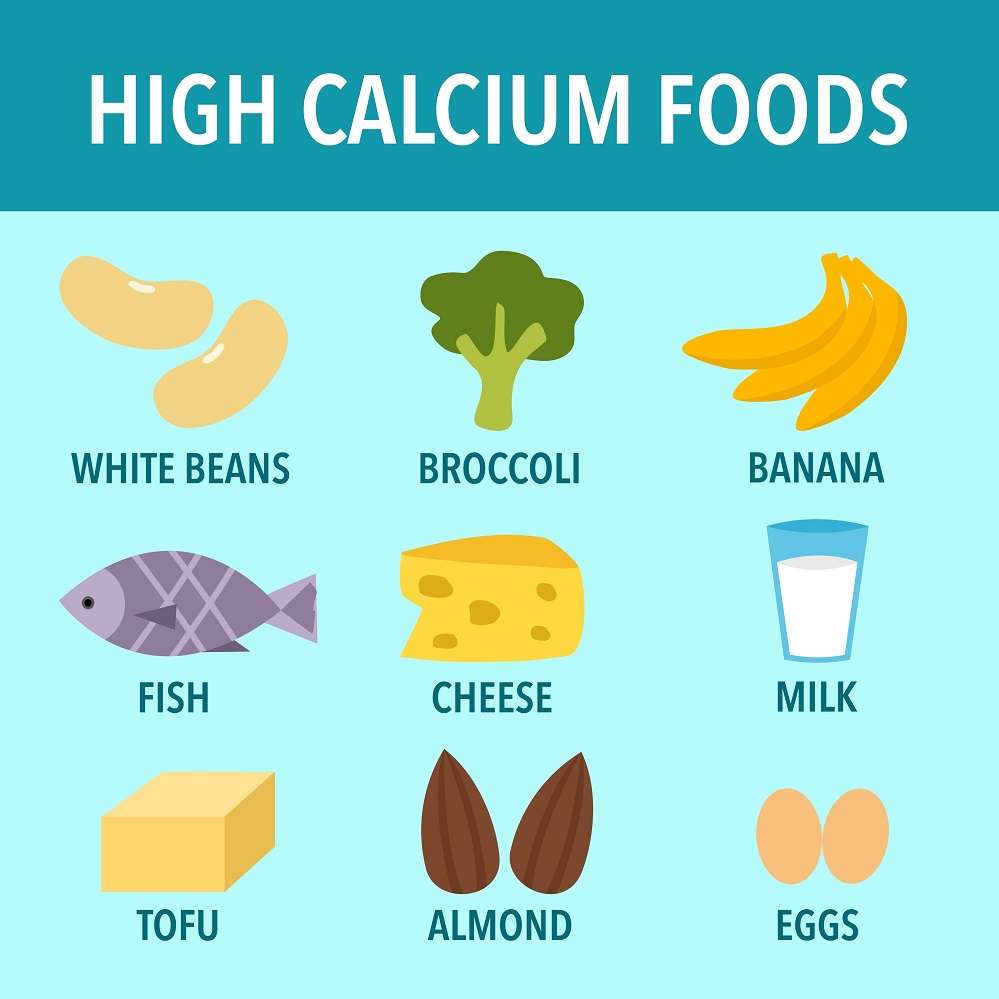
Your vertebrae are the “hardware” of your spine. To keep this hardware from becoming porous or brittle (a condition known as osteoporosis), you need a steady intake of calcium. However, calcium is useless if it can’t get into your bones. That’s where Vitamin D comes in—it acts as the “key” that unlocks your body’s ability to absorb calcium from your gut.
What to eat: Dairy products like yogurt, milk, and cheese are classic choices. If you are plant-based, reach for fortified almond or soy milk, tofu, and sardines (if you eat fish).
The Spine Benefit: Prevents vertebral fractures and maintains the density of the spinal column, protecting the spinal cord housed within.
2. Omega-3 Fatty Acids: The Natural Anti-Inflammatory
Chronic back pain is often rooted in inflammation. Between each vertebra lies a disc filled with a jelly-like substance. Over time, inflammation can cause these discs to degenerate or become painful. Omega-3 fatty acids are “good fats” that help inhibit the production of inflammatory enzymes.
What to eat: Fatty fish like salmon, mackerel, and trout are the gold standard. For vegans, chia seeds, flaxseeds, and walnuts are excellent alternatives.
The Spine Benefit: Reduces systemic inflammation, potentially easing symptoms of sciatica and disc-related pain while keeping the spinal discs hydrated and supple.
3. Leafy Greens: The Bone Matrix Builders
We often hear about calcium, but Vitamin K2 and Magnesium are the unsung heroes of spinal health. Vitamin K2 acts like a “traffic cop,” directing calcium out of your arteries (where it doesn’t belong) and into your bones. Magnesium, meanwhile, helps in the structural development of the bone matrix and assists in relaxing the muscles that support your spine.
What to eat: Spinach, kale, collard greens, and Swiss chard.
The Spine Benefit: Strengthening the actual quality of the bone and preventing the “stiff back” feeling by ensuring the supporting muscles can contract and relax efficiently.
4. Vitamin C and Collagen-Boosters
Your spine isn’t just bone; it’s held together by a massive amount of connective tissue, including tendons and ligaments. These are primarily made of collagen. Vitamin C is essential for collagen synthesis, acting as the “glue” that keeps your spinal structure intact.
What to eat: Strawberries, kiwi, citrus fruits, bell peppers, and broccoli.
The Spine Benefit: Supports the repair of tendons and ligaments and maintains the “annulus fibrosus”—the tough outer ring of your spinal discs that prevents herniation.
5. Plant-Based Proteins and Seeds
To support the muscles that keep your spine aligned, you need high-quality protein. Plant-based proteins are particularly beneficial because they provide the necessary amino acids without the high saturated fat content often found in red meat, which can contribute to inflammation.
What to eat: Lentils, chickpeas, pumpkin seeds, and quinoa.
The Spine Benefit: Facilitates muscle repair and growth, ensuring the “core” muscles remain strong enough to take the pressure off your spinal column.
Expert Care at KK Swara Super Speciality Hospital
While a healthy diet is a powerful preventive tool, some spinal conditions require professional medical intervention. For residents in Boduppal Hyderabad region, KK Swara Healthcare stands as a beacon of advanced orthopedic and spinal care.
The hospital is equipped with state-of-the-art diagnostic imaging and surgical suites designed to handle complex spinal issues. Ranging from chronic disc herniations to geriatric bone density management. What sets KK Swara apart is its “Super Speciality” approach, combining the expertise of top-tier orthopedic surgeons with a dedicated physiotherapy and rehabilitation wing. Whether you are dealing with a sports-related back injury or age-related spinal degeneration. Our patient-centric model ensures that nutritional advice, physical therapy, and advanced medical treatments are integrated into a single, cohesive recovery plan.
Summary: Your Spine’s Daily Checklist
A stronger spine isn’t built overnight; it’s the result of consistent, nutrient-dense choices. By prioritizing calcium and Vitamin D for bone strength, Omega-3s for inflammation, leafy greens for bone quality, Vitamin C for connective tissue, and lean proteins for muscle support. You are giving your back the best possible defense against aging and injury.
Combine this “spinal diet” with regular movement, proper hydration, and expert check-ups at a trusted facility like KK Swara Super Speciality Hospital. You’ll find yourself standing taller and moving with significantly more ease.