The human brain is a masterpiece of biological engineering, protected by the skull and cushioned by a clear, colorless liquid known as cerebrospinal fluid (CSF). This fluid is vital; it delivers nutrients, removes waste, and …
February 4, 2026
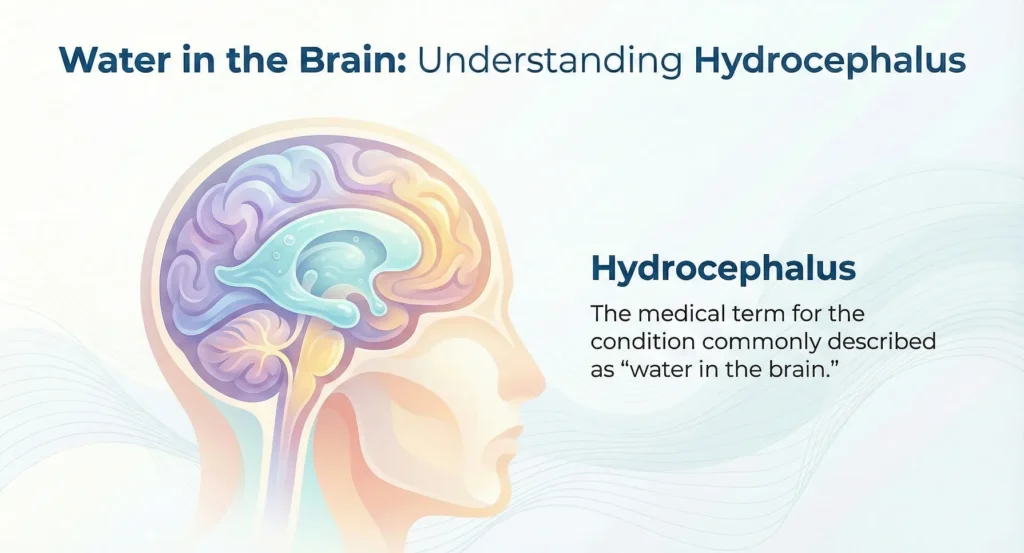
Water in the Brain: Understanding Hydrocephalus

The human brain is a masterpiece of biological engineering, protected by the skull and cushioned by a clear, colorless liquid known as cerebrospinal fluid (CSF). This fluid is vital; it delivers nutrients, removes waste, and acts as a shock absorber. However, when the delicate balance of CSF production, flow, and absorption is disrupted, a condition known as Hydrocephalus occurs.
Derived from the Greek words “hydro” (water) and “cephalus” (head), hydrocephalus literally translates to “water on the brain.” While the name suggests a simple accumulation of water, the condition is a complex neurological challenge that affects infants, adults, and the elderly alike.
What is Hydrocephalus?
Hydrocephalus is the buildup of fluid in the cavities (ventricles) deep within the brain. The excess fluid increases the size of the ventricles and puts harmful pressure on the brain tissues.
Normally, CSF flows through the ventricles and bathes the brain and spinal cord before being absorbed into the bloodstream. In a healthy system, the amount of fluid produced equals the amount absorbed. When this “plumbing system” fails—due to a blockage, poor absorption, or overproduction—the fluid accumulates, leading to the characteristic swelling associated with the condition.
Different Faces of Hydrocephalus
Hydrocephalus is not a one-size-fits-all diagnosis. It manifests in several forms depending on the cause and the age of the patient:
1. Congenital Hydrocephalus: Present at birth, this can be caused by complex environmental factors or genetic abnormalities during fetal development.
2. Acquired Hydrocephalus: This develops at the time of birth or at some point afterward. It can affect people of all ages and is often triggered by injury or disease.
3. Communicating Hydrocephalus: Occurs when the flow of CSF is blocked after it exits the ventricles. The fluid can still flow between the ventricles, but it isn’t being absorbed properly.
4. Non-communicating (Obstructive) Hydrocephalus: Occurs when the flow of CSF is blocked along one or more of the narrow passages connecting the ventricles.
5. Normal Pressure Hydrocephalus (NPH): Primarily affecting older adults, this form is unique because the fluid buildup happens slowly, and the pressure in the brain may remain near normal. However, the enlarged ventricles still press against brain tissue, causing symptoms that often mimic dementia or Parkinson’s disease.
Recognizing the Symptoms of Hydrocephalus
The signs of hydrocephalus vary significantly based on the age of the individual.
In Infants
The most obvious sign in infants is an unusually large head or a rapid increase in head circumference. Other signs include:
A bulging “soft spot” (fontanel) on top of the head.
Nausea and vomiting.
Seizures.
“Sunsetting” eyes (eyes that appear to gaze downward).
Extreme irritability or sleepiness.
In Children and Adolescents
Since their skulls have already fused, the head size usually doesn’t change, but pressure builds quickly inside. Symptoms include:
Blurred or double vision.
Slowed development or loss of previously reached milestones (like walking or talking).
Changes in personality or inability to concentrate.
Poor coordination and balance.
In Adults and the Elderly
In older populations, especially with NPH, the symptoms are often referred to as the “classic triad”:
Gait disturbances: Difficulty walking, often described as “magnetic gait” (feeling like the feet are stuck to the floor).
Cognitive impairment: Mild dementia, forgetfulness, or loss of interest in activities.
Urinary incontinence: A frequent or urgent need to urinate, or loss of bladder control.
Causes and Risk Factors of Hydrocephalus
The causes of hydrocephalus are as varied as its symptoms. In infants, it is often linked to central nervous system malformations or complications of premature birth (such as intraventricular hemorrhage).
In adults, common causes include:
Brain Tumors: Which can physically block the flow of CSF.
Meningitis: An infection that causes inflammation of the brain membranes, scarring the drainage pathways.
Traumatic Brain Injury (TBI): Bleeding or swelling from an accident can disrupt fluid balance.
Subarachnoid Hemorrhage: A stroke-like event where a blood vessel bursts, leading to blood clogging the absorption sites.
Diagnosis and Treatment
Early diagnosis is critical to preventing permanent brain damage. Neurologists typically use imaging techniques like CT scans or MRIs to visualize the ventricles and assess the degree of fluid buildup. In cases of NPH, a lumbar puncture (spinal tap) may be performed to see if removing some fluid temporarily improves the patient’s symptoms.
Surgical Intervention
Currently, there are no effective medications to treat hydrocephalus long-term. Surgery is the primary treatment. The most common procedures include:
1. Shunt System: The most frequent treatment involves the surgical insertion of a drainage system called a shunt. It consists of a long, flexible tube with a valve that keeps fluid flowing in the right direction and at the proper rate. One end is placed in a brain ventricle, and the other is tunneled under the skin to another part of the body (usually the abdomen) where the CSF can be absorbed.
2. Endoscopic Third Ventriculostomy (ETV): In some cases of obstructive hydrocephalus, a surgeon uses a tiny camera to make a hole in the floor of one of the ventricles. This allows the fluid to bypass the obstruction and flow toward its reabsorption site.
Read more: Why does Knee Replacement Surgery Fails | Pediatricians near me in Uppal
Living with Hydrocephalus
While hydrocephalus is a chronic condition that requires life-long monitoring, many people lead full, active lives. The key is consistent follow-up care with a neurosurgeon to ensure the shunt or ETV is functioning correctly. Advances in technology have led to “programmable” valves that allow doctors to adjust pressure settings non-invasively using a magnet, reducing the need for repeat surgeries.
Education and awareness are the strongest tools for families. Recognizing the “red flags” of shunt failure—such as sudden headaches, lethargy, or a return of original symptoms—can be life-saving.
Get the Right Care at KK Swara Healthcare
Navigating a neurological diagnosis like hydrocephalus requires more than just medical expertise; it requires a compassionate partnership between the patient and their healthcare provider. For those seeking comprehensive support and guidance in managing complex health conditions, KK Swara Healthcare, Neurosurgery Hospital in Boduppal, Hyderabad stands as a beacon of excellence. We specialize in providing holistic healthcare solutions and expert medical consultancy, ensuring that patients have access to the best specialists and modern treatment facilities. By focusing on personalized care and patient education, KK Swara Healthcare empowers individuals to understand their conditions better and access the surgical or rehabilitative interventions necessary for a better quality of life. Whether you are dealing with a new diagnosis or seeking long-term management strategies, their dedicated team is committed to walking with you every step of the way toward recovery and wellness.
Book your appointment online
Our simple to use, online appointment process makes it easy for you to book for any one of our services and doctors.