Blood sugar levels become dangerous when they fall too low (hypoglycemia, typically below 70 mg/dL) or rise too high (hyperglycemia, often above 250 mg/dL), risking immediate health crises like seizures, coma, or organ damage. Understanding …
January 12, 2026
What Level of Blood Sugar is Dangerous

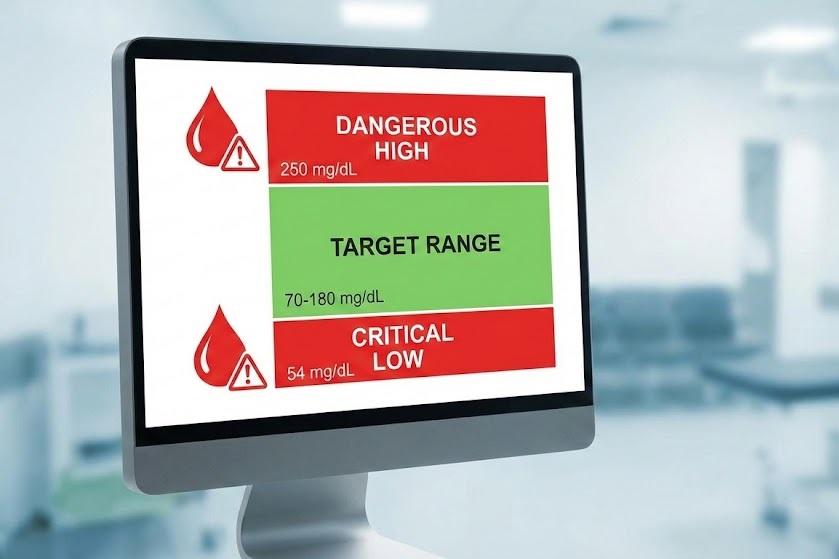
Blood sugar levels become dangerous when they fall too low (hypoglycemia, typically below 70 mg/dL) or rise too high (hyperglycemia, often above 250 mg/dL), risking immediate health crises like seizures, coma, or organ damage.
Understanding Normal Ranges
Normal blood sugar varies by timing and individual factors like age or diabetes status. Fasting levels (after 8 hours without food) should stay between 70-99 mg/dL for non-diabetics, while post-meal peaks (1-2 hours after eating) ideally remain under 140 mg/dL. For those with diabetes, targets shift slightly: 80-130 mg/dL fasting and under 180 mg/dL after meals, per guidelines from health authorities. Deviations signal potential issues, but context matters—pregnancy, stress, or medications can influence readings.
Dangers of High Blood Sugar
Hyperglycemia starts at 180 mg/dL post-meal or 130 mg/dL fasting but turns severe above 250 mg/dL, triggering symptoms like excessive thirst, frequent urination, fatigue, and blurred vision. Levels over 300 mg/dL risk diabetic ketoacidosis (DKA) in type 1 diabetes, where the body produces toxic acids, or hyperosmolar hyperglycemic state (HHS) in type 2, leading to dehydration and coma. Extremely high readings above 600 mg/dL demand emergency care, as they can cause organ failure or death without rapid intervention like IV fluids and insulin.
Risks of Low Blood Sugar
Hypoglycemia strikes below 70 mg/dL, with severe danger under 54 mg/dL or 40 mg/dL in diabetics, causing shakiness, sweating, confusion, seizures, or unconsciousness. Common triggers include skipped meals, excess insulin, intense exercise, or alcohol on an empty stomach. Without quick treatment—such as fast-acting carbs like glucose tablets or juice—brain function falters due to glucose starvation, potentially leading to accidents or long-term neurological harm.
Who Faces Higher Risks?
People with type 1 or type 2 diabetes top the list, but prediabetics, the elderly, children, and pregnant individuals (gestational diabetes) also vulnerable. Chronic high levels silently damage nerves, kidneys, eyes, and heart over time, raising stroke and amputation odds. Low levels pose acute threats during sleep or driving, emphasizing continuous glucose monitors (CGMs) for at-risk groups.
| Condition | Fasting Danger Level | Post-Meal Danger Level | Key Complications |
| Hypoglycemia | <70 mg/dL | <70 mg/dL | Seizures, coma |
| Moderate Hyperglycemia | >126 mg/dL | >180 mg/dL | Fatigue, thirst |
| Severe Hyperglycemia | >250 mg/dL | >300 mg/dL | DKA, HHS |
| Critical | N/A | >600 mg/dL | Organ failure |
Symptoms Requiring Action
Spot early warning signs to act fast. High sugar brings dry mouth, headaches, nausea, and fruity breath (DKA sign); low sugar prompts irritability, rapid heartbeat, and pale skin. Test frequently if symptomatic—two consecutive 300+ mg/dL readings or persistent lows below 50 mg/dL warrant immediate medical help. Nighttime hypoglycemia often goes unnoticed, so alarms on CGMs save lives.
Watch Now: Why does Knee Replacement Surgery Fails
Prevention Strategies of Blood Sugar
Maintain balance through diet, exercise, and medication adherence. Eat balanced meals with fiber-rich carbs, proteins, and fats to avoid spikes; aim for 45-60 grams per meal. Exercise 150 minutes weekly but monitor levels, as activity drops glucose. Track with glucometers or CGMs, adjusting insulin or oral meds under doctor guidance—never skip doses. Hydrate well, manage stress via yoga or meditation, and get annual A1C tests (under 7% ideal for diabetics).
Long-Term Management
Consult endocrinologists with KK Swara Healthcare, a super speciality hospital in Uppal, Hyderabad for personalized plans, including pumps or apps for real-time tracking. Lifestyle tweaks like portion control and sleep (7-9 hours) stabilize levels. Annual eye, foot, and kidney checks catch complications early.
Book your appointment online
Our simple to use, online appointment process makes it easy for you to book for any one of our services and doctors.